Need rodent and wildlife removal in Calabasas?
Tell us what you are seeing at home. Send a request or write to contact@ronway.property, and we will point you to a provider in our network.
No obligationPest control help for Calabasas and the Calabasas area
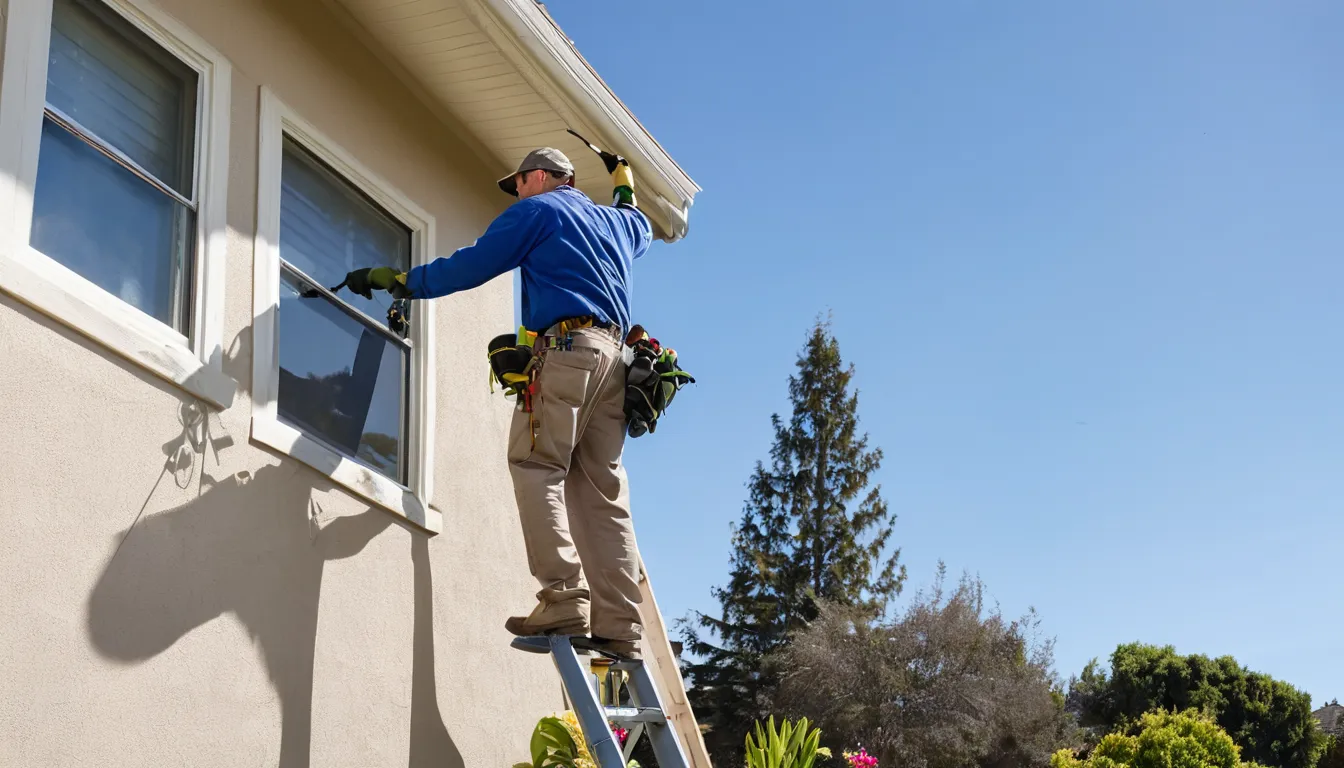
Rodents and wildlife can move into a home fast. Attics, wall gaps, crawl spaces and garages give them warmth, shelter and quiet. In homes around the Calabasas area, older stucco ranches and tract homes often have small gaps at the roofline, vents and utility lines.
Ronway Pest Control is a referral service. We connect homeowners with independent providers in our network who handle the removal. The provider inspects, finds the entry points, removes the animals and seals the gaps. This page explains what to do, what to skip, and how to keep animals out afterward.
Stay calm. Most rodent and wildlife problems can be handled safely. But a few early choices change how this goes.
Do this: keep kids and pets out of the area. Note what you hear and when. Take photos of any droppings or damage from a safe distance.
Skip that: do not poke around, block holes right away, or seal the space yourself.
Here is how it often unfolds. The numbers vary by animal and home.
Animals explore, then pick a nest spot. Droppings and noise start to show up. This is the easiest stage to fix.
Rodents breed quickly. A pair can turn into a crowd. Insulation gets flattened and soiled, and chewing begins.
Wires, pipes and ducts may be chewed. Odors build up. Cleanup gets bigger, and so does the bill.
If you close an entry point with animals inside, they may be trapped. A trapped animal can die in a wall or fight to get out. A baby animal left alone can starve. Both cause smells and more damage.
A provider checks first, then seals only when the space is clear.
Rats and mice are the most common. In many regions, providers also deal with squirrels, raccoons, opossums and skunks. Bats and birds can also settle in roof spaces.
Each animal needs a different method. Some are protected by local rules at certain times of year.
Do this: air out the room if it is safe, and leave heavy cleanup to a trained provider.
Skip that: do not sweep or vacuum dry droppings. Dust can carry germs. Do not handle a bat or wild animal with bare hands.
If someone is bitten or scratched, contact a doctor or local health office.
A provider starts with an inspection. They look at the roof, vents, foundation and garage for entry points.
Next comes a plan. It may include traps, one-way exits or other methods that fit the animal. Then the provider removes the animals and checks that none remain.
Finally, the entry points are repaired. Fix it, then seal it.
Rules differ by state and city. Some animals cannot be moved or harmed at certain times, such as nesting season. Ask the provider how they follow local rules and what happens to the animal.
Removal is only part of the job. Droppings, urine and nesting can stay behind. Many providers offer cleanup, deodorizing and insulation replacement, or can point you to someone who does. Ask what is included in the quote.
Some policies may cover sudden damage. Check your policy. Providers can often help document damage for a claim.
Be careful with anyone who only offers poison. Poison can cause pets to get sick and animals to die in walls.
Prevention comes second, but it should not be skipped. Walk the outside of your home each season.
During dry seasons, animals look harder for water and shelter. After winter rain, they often move toward dry attics and garages.
Ask the provider to return after a couple of weeks. Listen for new noises. Check for fresh droppings. A quick check now can save a bigger repair later.
A provider checks the roof, vents, foundation and garage to find where animals are getting inside.
Methods are chosen for the animal and follow local rules in your area.
Droppings, nesting and soiled insulation can be removed and the area sanitized.
Gaps are repaired and many providers offer a recheck to confirm the problem is gone.
Prices depend on the animal, how many are inside, how hard the space is to reach and how much repair is needed. These are typical ranges. Always get a written quote.
| Item | Typical range | Notes |
|---|---|---|
| Inspection | $75 – $300 | Sometimes applied to the job |
| Mouse or rat removal | $200 – $600 | Often includes follow-up visits |
| Squirrel or raccoon removal | $300 – $1,000 | Depends on number and access |
| Entry point sealing | $200 – $1,500 | Varies with roof and wall type |
| Droppings cleanup | $300 – $1,500 | Larger attic areas cost more |
| Insulation replacement | $1,000 – $5,000 | Depends on attic size |
Tell us what you hear or see, where it is, and when it started. Photos help.
We connect you with a local provider in our network who can check availability.
The provider inspects and explains the plan, repairs and cleanup before work begins.
After removal, entry points are repaired and you can schedule a recheck.
Clear do and skip guidance helps you avoid bites, germs and mistakes.
Providers in our network serve your area and know common home types and local rules.
We connect you with providers. They do the work, and you review the quote.
Sealing, cleanup and simple upkeep help keep animals from coming back.
Tell us what you are seeing at home. Send a request or write to contact@ronway.property, and we will point you to a provider in our network.
No obligationSound and timing help. Light, fast scratching at night often means mice or rats. Heavy thumps or loud movement at dusk or dawn can point to squirrels or raccoons. A provider can confirm after an inspection.
Not until you know the space is empty. Sealing too soon can trap animals inside, where they may die or cause more damage. A provider checks first, removes the animals, and then repairs the entry point for you.
Dry droppings can carry germs, so avoid sweeping or vacuuming them. Small cleanups call for gloves, a mask and wet wipes. For attics, walls or large areas, ask a provider about proper cleanup.
Tell us what you are seeing at home. Send a request or write to contact@ronway.property, and we will point you to a provider in our network.
No obligation